 |
|
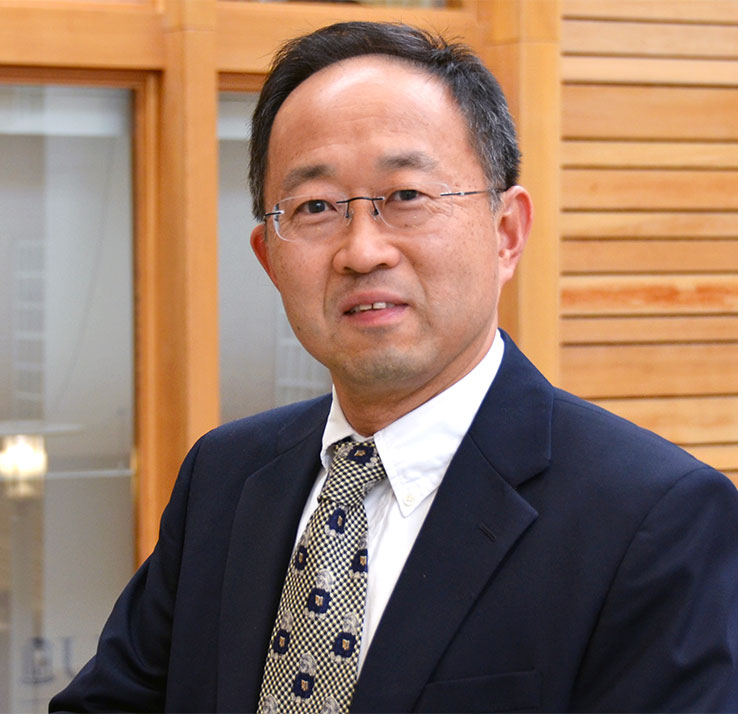
Danyu Lin, PhD
Department of Biostatistics
Gillings School of Global Public Health
University of North Carolina at Chapel Hill
|
Danyu Lin is the Dennis Gillings Distinguished Professor of Biostatistics at the University of North Carolina at Chapel Hill. Dr. Lin is primarily interested in developing statistical methods for the designs and analyses of medical and public health studies. His current research focuses on three areas:

|
|
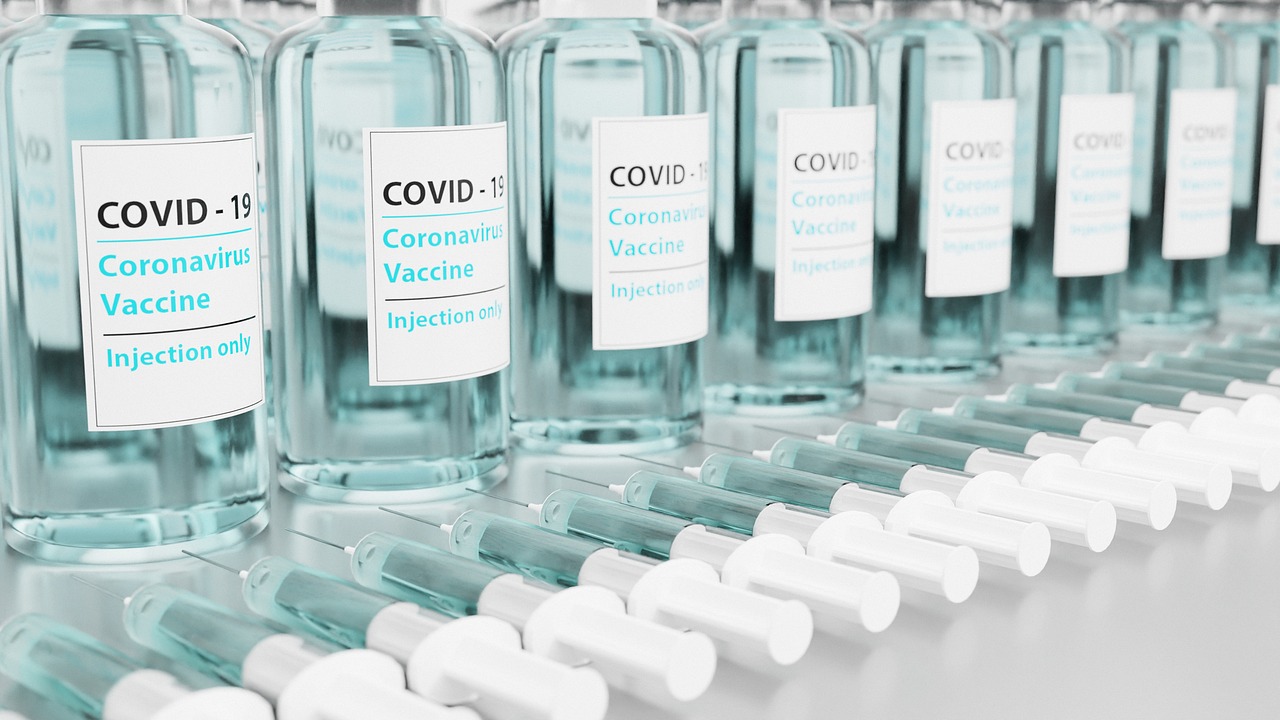
COVID-19
Dr. Lin and his team develop statistical methods for assessing the clinical efficacy and real-world effectiveness of treatments and vaccines against Covid-19. They analyze data from phase 3 clinical trials, electronic health records, and surveillance data. They are particularly interested in understanding how the effectiveness of vaccines and boosters against different variants wane over time. |
|
|
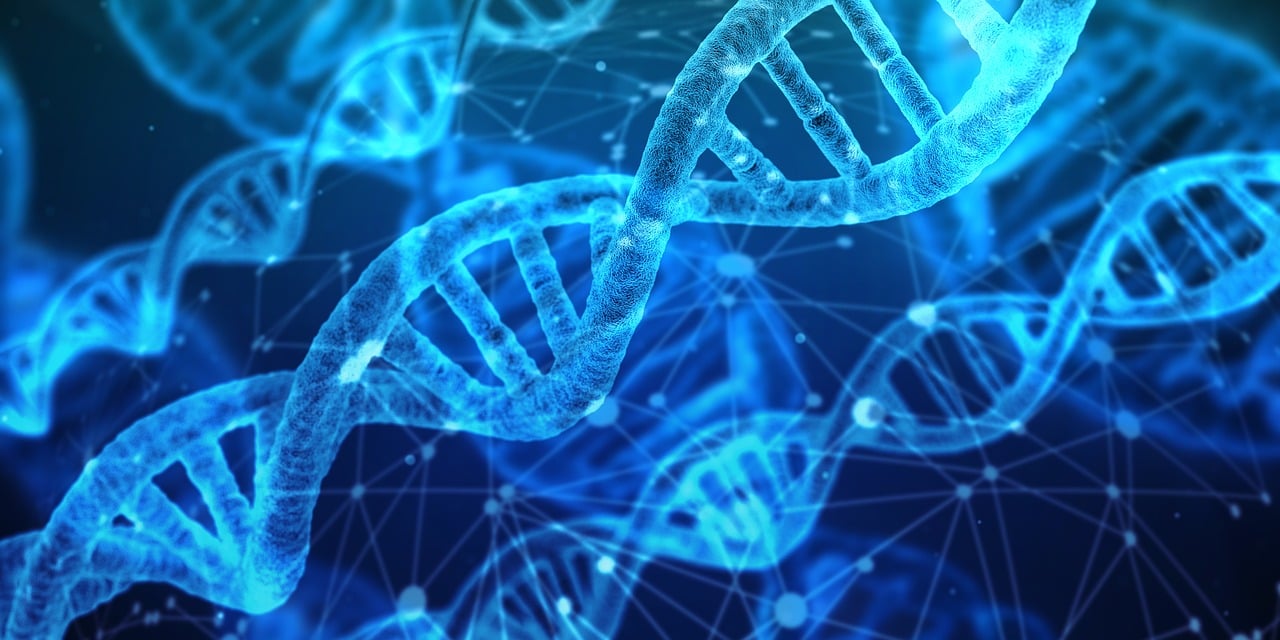
Statistical Genetics and Genomics
Dr. Lin and his team develop statistical methods and computer programs for genetic and genomic studies. They are particularly interested in genome-wide association studies (GWAS), next-generation sequencing studies, and single-cell sequencing studies. Their current topics include genome-wide significance thresholds, association tests with whole-genome sequencing data, efficient implementation of random-effects models, integrative analysis of multi-omics data, detection limits, mediation analysis, intra-tumor heterogeneity, and pharmacogenomics. |

|
|
Survival Analysis
Dr. Lin and his colleagues investigate semiparametric regression models and associated inference procedures for potentially censored survival (failure) times. They are particularly interested in semiparametric transformation models and seek efficient inference procedures based on nonparametric maximum likelihood and related approaches. Their work is concerned with both univariate and multivariate failure time data under right- or interval-censorship. One of their current research topics pertains to computationally efficient methods for big censored data. |